
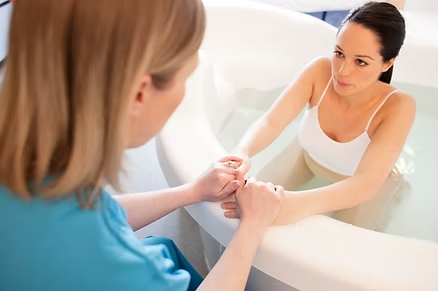

لقد اتيحت لي الفرصة لأشاهد بعض الولادات تحت الماء خلال دراستي للقبالة في بريطانيا. فالمرأة في السعودية تحتاج الى توفر خيارات مختلفة للولادة الطبيعية وإعطائها حرية الإختيار بين الولادة التقليدية على سرير الولادة أو في الماء أو حتى في البيت.
الولادة في حوض أو مغطس مائي ملئ بالمياه الدافئة هو طريقة حديثة للولادة في المجتمعات الغربية، وعلى الرغم من كونها طريقة مثيرة للمخاوف بين المجتمعات المختلفة، إلا أن بعض المستشفيات في المملكة المتحدة، وعدد من الدول في أنحاء العالم تقوم بتوفيرها كخيار بديل للولادة الطبيعية التقليدية، نظرًا لما حظيت به من إقبال كبير لدى الأمهات، اللاتي وجدن فيها مخرجًا بديلاً عن الولادات الطبيعية، ومناسبًا للاتي يحظين بحمل طبيعي دون مشكلات صحية مثل الضغط أو السكر، واللاتي يفضلن الولادة الطبيعية بدون أي تدخلات طبية، أو جراحية، أو أخذ لمسكنات الألم.
وقد تم استخدام الماء الدافئ على مر التاريخ للحد من آلام الحيض والولادة، ونقلت الأساطير والقصص القديمة وجود حالات للولادة في الماء في أنديانا الأميركية، وفي مصر القديمة أيضاً، لكن لا توجد أدلة داعمة لهذه الأساطير، والثّابت تاريخيًّا أنّ هذه الطريقة للولادة بدأت للمرة الأولى في عام 1960م، واكتسبت شعبية كبيرة في عام 1990م، وكانت تتم في المنازل، وأصبحت الآن تُقَدّم كخيار للولادة الطبيعية في المستشفيات.
ومن الجدير بالذكر أنّ باحثًا روسيًّا يدعى تجار كوفسكيس أجرى بحثًا خلال عام 1960م لفحص سلامة وفوائد الولادة في الماء باعتبار أنّ الماء هو “مهد الحياة على الأرض” وفي أواخر عام 1960م طُوِّرَت هذه الطريقة من قبل اثنين من أطباء التوليد الفرنسيين لأسباب كثيرة، أهمها تسهيل الانتقال من الرحم إلى العالم الخارجي، وتقليل تأثير أي صدمة ممكنة، وتخفيف آلام الولادة.
ويعتقد الممارسون الصحيون من أطباء توليد، وقابلات، وباحثين أنّ الولادة في الماء لها فوائد لا تحصى على كلّ من الأم والطّفل، وتعدّ بديلًا آمنًا للولادة الطبيعيّة التقليديّة، وفي المقابل، هناك عوامل خطورة وكثير من المخاوف حيالها.
*على الرغم من أن الولادة في الماء ليست طريقة شائعة للولادة، إلا أنّ كاتبة هذه السطور ترى أنها وسيلة فعالة للولادة، ومن أهم فوائدها:
-الراحة وسهولة الحركة داخل الماء:
وهذه أهمّ المزايا، حيث يتيح الماء للأمّ حرية الحركة، واختيار الوضع الذي يناسبها أثناء عملية المخاض، وحتى مرحلة الولادة، وتغيير الوضعية تحت الماء أسهل منه على اليابسة، وخاصة في حالة زيادة الوزن، أو في حالة الأمهات الذين يحملون بأطفال ذوي أحجام كبيرة.
– المساعدة على الاسترخاء وتخفيف الألم أثناء المخاض والولادة:
يساعد الماء الدافئ الأمَّ على الاسترخاء أثناء الولادة، حيث يدفع الدم لأجزاء الجسم كلِّه، ممَّا يعزِّز الاستجابة الفسيولوجية للأم، ويساعد على تخفيف الألم، ويقلّل مضاعفات الولادة، وحاجتها إلى التدخل الطبي، كما أنّ المعالجة المائية للتحكّم في الألم هي العلاج البديل الأكثر أمانًا من التخدير، أو استعمال الأدوية المخدرة، وخاصة فيما يتعلّق بآلام الظهر وهي الشكوى الأكثر شيوعًا بين النساء وقت الولادة.
سلامة العجان:
من فوائد الولادة تحت الماء المحافظة على سلامة منطقة العجان لدى المرأة، حيث توفر المياه الدعم لعضلاته بإبطاء نزول رأس الطفل، وبالتالي تقلل من فرص حدوث الشقوق، أو الحاجة إلى القصّ للتوسيع وقت الولادة، كما أنّ المياه الدافئة لها تأثير جيّد على تليين الأنسجة وتمدّدها، وبالتالي انخفاض مخاطر تشققات الجلد في هذا الموضع.
تجربة أمنة وغير مؤلمة للطفل:
الأطفال حساسون للغاية أثناء الولادة، وعليه يمكننا اعتبار ولادة الطفل في بيئة مائية دافئة أمرًا يضمن له أن يولد في جوّ آمن، ومرحّب به، وبطريقة غير مؤلمة بالنسبة له، حيث يمثّل الماء الدافئ وسيطًا يشجع الطّفل على الانتقال إلى عالم خارجي أقرب إلى بيئته داخل الرّحم من حيث قلّة نسبة الضوء، واللون، والضوضاء.
وقد أكّد عدد من الباحثين بالأدلة المبرهِنة على أنّ تجربة الولادة في الماء لها تأثير إيجابيّ على الجنين، وتساعد على إنشاء رباط عاطفيّ مستمرّ بينه وبين أمّه، ومؤثّر في شخصيّته.
وفي المقابل، يمكن تلخيص أهمّ مصادر القلق أو الخطر من هذه الطريقة في الآتي:
-استنشاق المولود للماء: وهذا هو مصدر القلق الرئيسي بالنسبة لمعظم الآباء والأمهات الذين يخططون للولادة في الماء، غير هذا القلق ينتفي حين نعلم أنّ الأكسجين ينتقل إلى المولود عن طريق الحبل السُّريّ، ما لم تتم إزالة المشيمة، كما أنّ هناك عدة عوامل فيسيولوجية تمنع الأطفال من استنشاق الماء وقت الولادة، منها:
– أن درجة حرارة المياه هي نفس درجة حرارة جسم المولود (بين 35 ° -37 °) أي أنّ الماءَ سيكون عاملاً مساعدًا في التقليل من تحفيز رئة المولود.
– أنّ رئة الجنين تكون مليئة بالسوائل، بما في ذلك السائل الأمنيوسي، مما يقلّل احتمال دخول الماء إليها، وتبقى في حاجة إلى ضغط الهواء لتحفيزها على إخراج السائل، وبدء عمليّة الاستنشاق.
– أنّ منعكس الغطس (diving reflex) الذي يقع في حنجرة الجنين سيسمح له بابتلاع الماء بدلًا من استنشاقه.
– تباطؤ انقباضات الرحم: هناك بعض القلق من اللاتي يدخلن في الماء في وقت مبكر من أن تتباطأَ لديهنّ انقباضات الرحم، لذلك ينبغي أن لا تدخل المرأة في الحوض المائي إلا بعد توسع عنق الرحم حوالي خمسة سنتيمترات، وحين تكون انقباضات الرحم نشطة ومتتالية.
– نقص المعلومات بشأن هذه التقنية، والفوائد والمخاطر المتوقعة منها: ويمكن معالجة ذلك عن طريق الدروس التعليمية خلال الحمل للإعداد النّفسي والفسيولوجي لمن ترغب في الولادة بهذه الطريقة.
ورغم تلك المخاوف، تظلّ نسبة المخاطرة في الولادة بهذه الطريقة منخفضة جدًّا، ونادرة في الغالب، وآثارها الجانبية أقلّ ضررًا بالمقارنة مع الولادة التقليدية، خاصّة مع وجود المراقبة من قبل الأخصائيِّين ذوي الخبرة الكافية في التعامل مع المشكلات المتوقع حصولها أثناء ذلك.
وعموما فإن الولادة في الماء أكثر مناسبة للنساء اللاتي يتمتّعن بحمل منخفض الخطورة، واللاتي يحتجن إلى تدخّلات طبيّة أقلّ، وينبغي على المرأة معرفة أنّ الولادة في الماء لا توفر ما يكفي لتخفيف الآلام مثل الأدوية المخدرة، فهي ليست خالية تمامًا من الألم، ولكنّها تبقى خيارًا من ضمن الخيارات المتاحة للولادة الطبيعية.
تنبيهات بخصوص الولادة المائية:
• يفضل عدم الاستعجال بدخول الحوض قبل أن يفتح الرحم ٦سم أو أكثر؛ لأنّ ذلك قد يتسبب تراجعًا في المخاض إذا لم يكن نشطًا فعلياً.
• الدخول والخروج من حوض الماء بحذر شديد.
• الحذر من الانزلاق داخل أو خارج الحوض.
• الحرص على ولادة الطفل إمّا تحت الماء بشكل كامل، أو خارجه.
• الحذر من ولادة الرأس في الهواء ثم إدخاله في الماء لتوليد باقي الجسم؛ فهذا سيؤدي إلى دخول الماء إلى رئته بعكس ما إذا تمت ولادته مباشرة من الرحم إلى الماء.
• ملاحظة مناسبة درجة حرارة الغرفة، حتى لا تشعر الأم ووليدها بالبرد بعد الخروج من الماء.
• عدم قطع الحبل السري فور الولادة، مما يعطي المولود فرصة التنفس من خلال المشيمة كما كان في الرحم، مع ملاحظة أنّ تأخر أول تنفس للهواء لدى المولودين في الماء أمر طبيعي جداً، وكذلك بطء تحوّلهم إلى اللون الوردي مقارنة بغيرهم.
• الأم التي تلد في الماء تعتمد في الولادة على نفسها تمامًا، ودور الطبيبة أو القابلة قد ينحصر في دعم العجان.
• ضرورة إفراغ المثانة كل ساعة تقريباً، ويعتبر الذّهاب إلى الحمام تغييرًا جيدًا للوضعيّة.
• ضرورة شرب المياه أثناء الولادة في الماء؛ لأنّ الأم ستفقد السوائل مع تعرقها بسبب حرارة الماء.
• أهمية وجود حبل ومقبضين في الحوض، لتتمسك بها الأم عند الطلق.
• تمكّن الأمّ من التحكم في درجة حرارة المياه، وقدرتها على تسليط الدش على المكان الذي تريده.
• يمكن وضع الطفل مباشرة على صدر الأم بعد إخراج المولود من الماء.
• يمكن للأم ان ترتاح قليلًا مع مولودها في الماء، وليس هناك داعٍ للعجلة في إخراج المشيمة إلا في حال وجود نزيف واضح لدى الأم.